
Repurpose and Reimagine
Freedom and Creativity
Summer is a time when folks often invite freedom and creativity back into their busy lives. Maybe they pick up a project that has taken a back seat, take a workshop, or reconnect with a lost skill, art or craft. Maybe they learn, read, or try something new. Summer is a great time to nurture the young inventor in each child.
The long days of the season allow more time to drop into open-ended, free and constructivist play. Making time for STEM concepts, for inventing and engineering can tap into imaginations, foster creativity and enhance problem-solving capacities. You can try offering this space to them by spending some time exploring, asking questions, creating and building. Allow for simple invention and engineering projects by providing tools and materials such as items found in a junk drawer, recyclables, or simple office supplies.
Once you have ignited their passion for inventing, try stretching their thinking with various books.
What do you do with an Idea? By Kobi Yamada
This is a great book a child’s brilliant idea to bring it to the world. After reading, you can begin by asking what an animal needs to survive. Then you might ask what more the animals need to grow and thrive. Continue the discussion by likening animal growth to “idea growth.” State that our ideas can grow, thrive, survive, and evolve by nurturing them. Follow up with a discussion about the author’s message: stick with your idea, follow it through, persevere and your idea could change the world.
Not a Box
Next time you read with your child, you can try reading Not a Box by Antoinette Portis. This is a fabulous book about a rabbit with a very BIG imagination. After completing the book, you can discuss with your child how imagination and creativity are magical elements of who they are. Talking about different perspectives allows children to see that showing and sharing are part of what makes them unique and special.
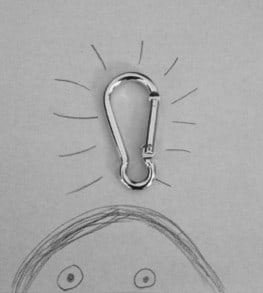
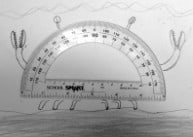
Next, lay out a box of recyclables or knickknacks and let your child choose one or more items to repurpose. Ask your child to reimagine how this ordinary object can become extraordinary. Encourage them to use their artistic skills to reimagine it by creating something new. You may also want to extend their learning by inviting them to use the materials and resources to create a 3-D representation of their new invention. Once they have finished, it’s always quite powerful to spend time reflecting about it together.
Implications of Your Work
Children appreciate “thinking outside of the box.” They thrive off of creation and love to deep dive into their own imaginations. They approach STEM activities, such as this one, in the most authentic way when they know that their learning environment is supportive and safe. Children are most creative when the learning environment highlights many perspectives, emphasizes process over product, and failure as opportunity.